Signs Your Basement or Foundation Needs Waterproofing
If you notice signs your basement or foundation needs waterproofing, local contractors can assess the issue and provide effective solutions to protect your home.
Understanding the signs that your basement or foundation may need waterproofing is an important step for property owners looking to protect their homes. Common indicators such as persistent dampness, musty odors, visible water stains, or cracking walls can signal underlying issues that, if left unaddressed, might lead to more serious problems over time. Recognizing these early warning signs can help homeowners decide when it’s time to seek the expertise of local contractors who specialize in basement and foundation waterproofing services, ensuring the structural integrity and longevity of the property.
For residents in the area, exploring this topic is practical because local weather patterns and soil conditions can contribute to moisture problems in basements and foundations. Addressing these issues promptly with the help of experienced service providers can prevent costly repairs and improve the overall safety and comfort of a home. Keep reading to learn more about the common signs that suggest waterproofing may be needed and how local professionals can assist in safeguarding properties against water intrusion.
- Basement waterproofing - is needed when signs of water seepage or dampness appear on basement walls or floors, and local contractors can assess the source and apply appropriate waterproofing solutions.
- Foundation waterproofing - becomes necessary when cracks or bowing in foundation walls are observed, with service providers using techniques to reinforce and seal the structure.
- Basement moisture control - is essential if persistent humidity or mold growth is detected, prompting local pros to install drainage systems or vapor barriers.
- Leak repair services - are called upon when visible leaks or water stains are found, with professionals identifying entry points and implementing effective waterproofing measures.
- Structural waterproofing - is recommended when signs of foundation settling or shifting are present, and local contractors employ specialized methods to protect the integrity of the foundation.
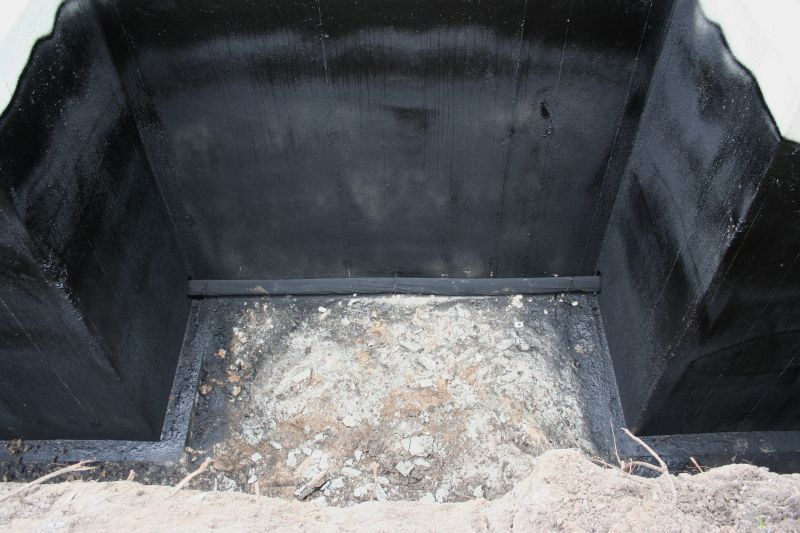
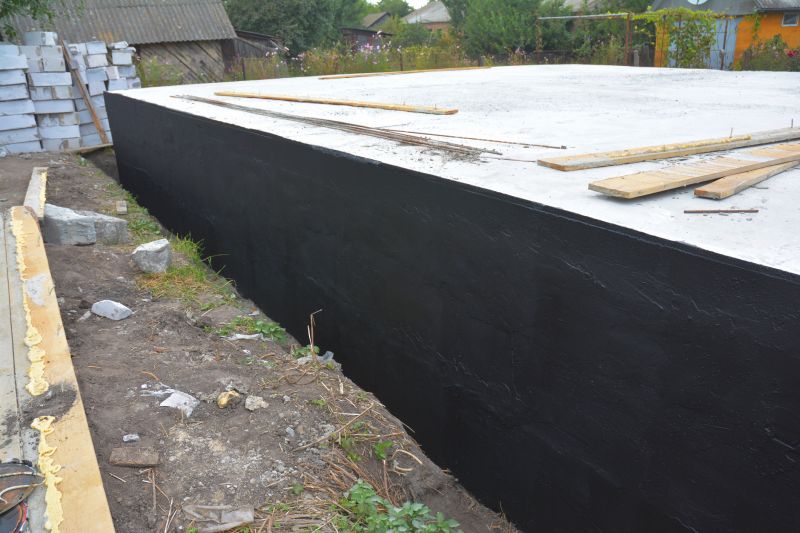
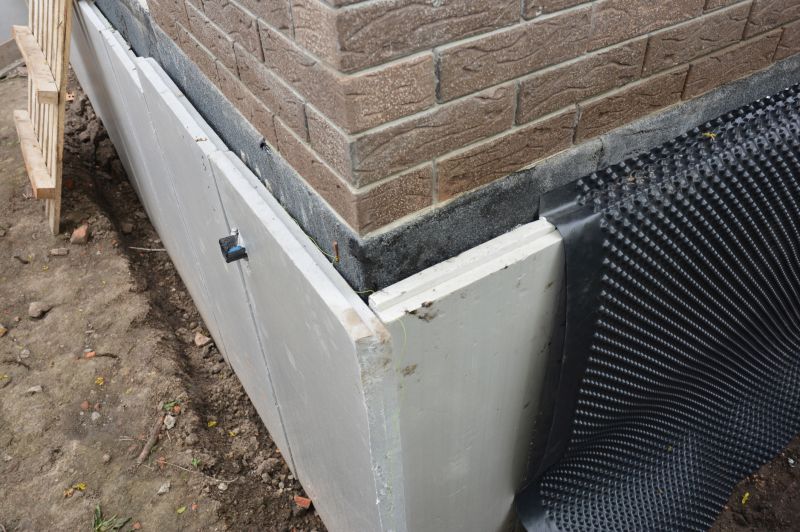
When homeowners search for signs their basement or foundation needs waterproofing, they are usually looking for clues that moisture or water intrusion could be compromising their property’s stability and safety. This topic often comes up when residents notice visible indications of water damage or dampness in their basement, such as persistent dampness, mold growth, or a musty odor. People are typically concerned about potential structural issues, the impact on stored belongings, or the development of health hazards caused by excess moisture. Understanding these signs helps homeowners determine whether professional waterproofing services might be necessary to prevent further damage and protect their investment.
The problems associated with water intrusion into basements or foundations are diverse but interconnected. Common issues include water leaks during heavy rains or snowmelt, foundation cracks that allow moisture to seep in, and basement flooding that can occur even with minor weather events. These problems often relate to drainage failures, poor grading around the property, or inadequate sealing of foundation walls. Homeowners planning renovations or improvements may also consider waterproofing as part of their project to improve comfort and usability of lower levels. Recognizing the warning signs early can help prevent costly repairs and ensure the long-term integrity of the property.
Properties that typically come up in discussions about signs your basement or foundation needs waterproofing include a wide range of residential structures, from single-family homes to multi-unit buildings. Older homes are often more susceptible due to aging foundation materials and outdated drainage systems. Homes built in areas with high rainfall or poor drainage are also more prone to moisture issues. Additionally, properties with basements or crawl spaces that are below grade are at higher risk for water intrusion. Local contractors who specialize in waterproofing services are familiar with the common challenges faced by these types of properties and can evaluate specific conditions to recommend appropriate solutions.
Understanding the connection between these signs and waterproofing needs highlights the importance of involving experienced service providers. Local pros can assess the unique conditions of a property, identify underlying causes of moisture problems, and recommend effective waterproofing strategies. Whether it’s sealing foundation cracks, installing drainage systems, or applying waterproof coatings, these specialists play a crucial role in addressing issues before they escalate. For homeowners noticing early warning signs, reaching out to local contractors can help develop a tailored plan to safeguard the property, improve its durability, and maintain a healthy, dry basement environment.
Drainage System Installation - Installing proper drainage systems around foundations requires similar planning, tools, and expertise as waterproofing to prevent water intrusion and foundation damage.
Foundation Repair Projects - Foundation repair involves assessing structural issues and implementing solutions that often overlap with waterproofing techniques to stabilize and protect the structure.
Basement Finishing - Finishing a basement involves moisture control and waterproofing considerations to ensure a dry, durable living space, requiring similar skills as waterproofing services.
Crawl Space Encapsulation - Encapsulation projects focus on moisture barriers and ventilation, aligning closely with waterproofing efforts to prevent water damage and mold growth.
Exterior Waterproofing - Exterior waterproofing applications involve excavation and sealing methods akin to those used in basement waterproofing to keep water out effectively.
Mold Remediation - Addressing mold issues often involves moisture mitigation strategies and surface treatments that complement waterproofing to maintain a healthy environment.
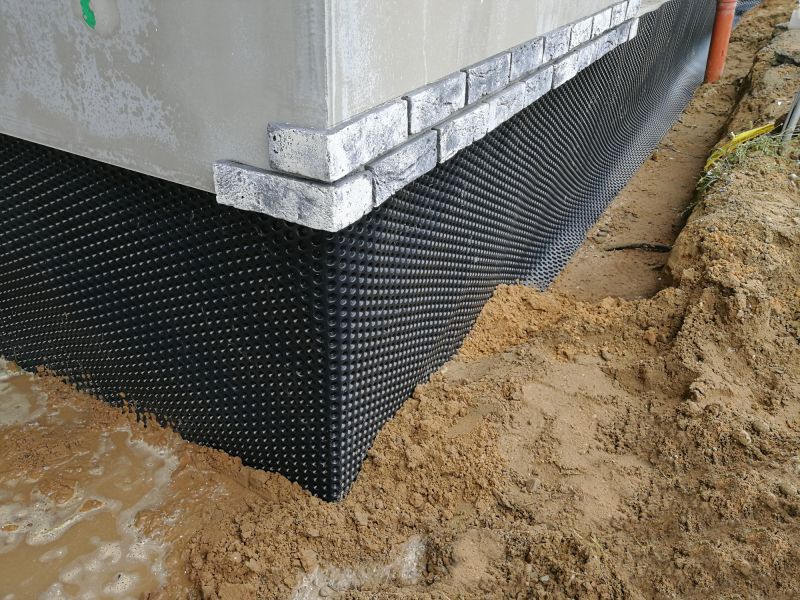
When evaluating local contractors for basement or foundation waterproofing, it’s important to consider their experience with similar projects. Homeowners should seek service providers who have a track record of handling waterproofing issues in homes with comparable foundation types or basement conditions. Asking about previous work can help determine whether a contractor has the necessary expertise to address specific signs your basement or foundation needs waterproofing, such as persistent dampness, water stains, or foundation cracks. Experience with comparable projects can provide confidence that the contractor understands the unique challenges that may arise and knows how to implement effective solutions.
Clear, written expectations are essential when comparing service providers. Homeowners should look for contractors who can provide detailed descriptions of the waterproofing process, including the scope of work, materials to be used, and the estimated outcomes. Having this information in writing helps ensure everyone is on the same page and reduces the risk of misunderstandings or surprises during the project. It also allows homeowners to compare different proposals more effectively, ensuring that the chosen contractor’s approach aligns with their needs and expectations regarding addressing signs that their basement or foundation needs waterproofing.
Reputable references and good communication are key factors in selecting a reliable service provider. Homeowners are encouraged to ask potential contractors for references from past clients, especially those who had similar waterproofing concerns. Speaking with previous customers can provide insights into the contractor’s professionalism, quality of work, and ability to communicate clearly throughout the project. Good communication from the start helps ensure that questions are answered promptly and that the homeowner feels informed and confident in the process. Choosing a contractor who values transparency and maintains open lines of communication can lead to a smoother experience when addressing signs that a basement or foundation needs waterproofing.
Property owners often search for signs your basement or foundation needs waterproofing when they are planning practical projects around their homes and businesses. Local pros provide Basement or Foundation Waterproofing services for everyday jobs and straightforward project options.
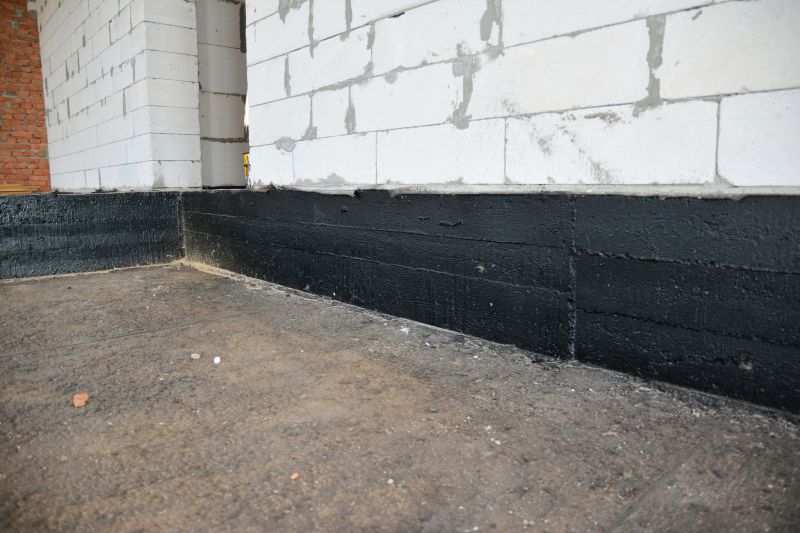
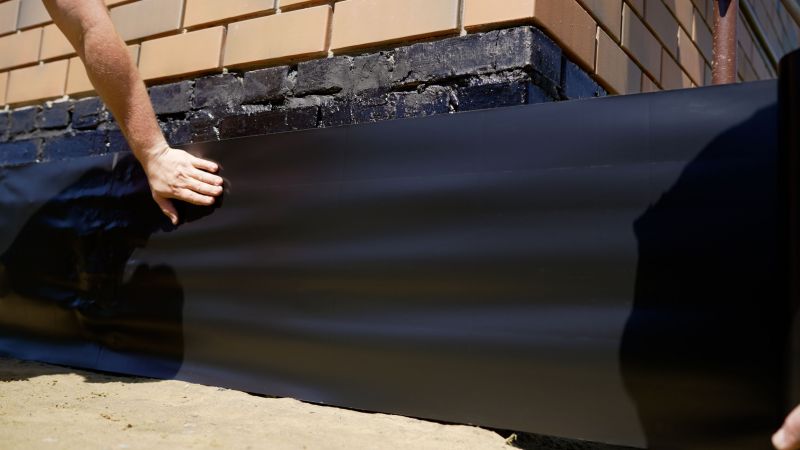
Many property owners in the area notice signs of basement or foundation issues after heavy rains or seasonal changes. Common indicators include water pooling or damp spots on basement floors and walls, which can suggest that moisture is seeping through the foundation. Cracks in basement walls or floors are also often visible, and these may gradually widen over time. When these issues appear, it’s a clear sign that waterproofing services by local contractors could help prevent further damage and maintain the integrity of the property.
Other everyday situations that prompt property owners to look into waterproofing include the presence of a musty smell or visible mold growth in the basement, which can be linked to excess moisture. Additionally, if there are signs of efflorescence-white, powdery deposits on basement surfaces-or if the ground around the foundation appears to be constantly wet or eroding, it may indicate inadequate waterproofing. In such cases, consulting with local service providers can help identify the best solutions to keep basements dry and foundations secure.
What are common signs that a basement or foundation needs waterproofing? Visible water stains, mold growth, musty odors, and dampness on walls or floors are typical indicators that waterproofing services may be needed.
How can I tell if my foundation is experiencing water issues? Cracks in the foundation walls, uneven floors, or water pooling around the base of the structure can signal underlying water problems requiring professional waterproofing.
Are there specific signs that indicate basement waterproofing is necessary? Persistent dampness, efflorescence (white mineral deposits), or peeling paint on basement walls are signs that waterproofing from experienced contractors could help prevent further damage.
What symptoms suggest that my basement might be at risk of flooding? Frequent basement flooding during heavy rain, water seepage through cracks, or high humidity levels are common signs that waterproofing services may be needed from local contractors.
When should I consider hiring professionals for basement or foundation waterproofing? If you notice water intrusion, mold growth, or structural cracks, it’s a sign to contact service providers who specialize in waterproofing to assess and address the issues.
Cracks in basement walls - noticing cracks can indicate water pressure issues; property owners can explore waterproofing options with local contractors to prevent further damage.
Water stains or mold - identifying water stains or mold growth on basement surfaces suggests moisture intrusion; seeking waterproofing services can help address underlying leaks.
Musty odors - persistent musty smells in the basement may signal hidden moisture problems; local service providers can assess and improve waterproofing to eliminate odors.
Efflorescence buildup - white, powdery deposits on foundation walls point to moisture movement; professional waterproofing can help control water entry and protect the foundation.
If you are thinking about signs your basement or foundation needs waterproofing for a property, this guide is meant to help you understand this topic, the typical project types, and how different options might fit your plans.
When you are ready, you can use the quote form on this page to share a few details about your project. From there, local pros can review the basics and follow up with options that match what you have in mind.